Tag: Advocacy

Creating Brave Spaces at Christopher House: A Conversation with our School Counselor

Christopher House works to create warm, welcoming, and safe learning environments that encourage our scholars, teachers, families, and staff to show up each and every day as their authentic selves. Each member of our community is vital in creating and maintaining these brave spaces, and Jose Valencia, Elementary School Counselor, is no exception.
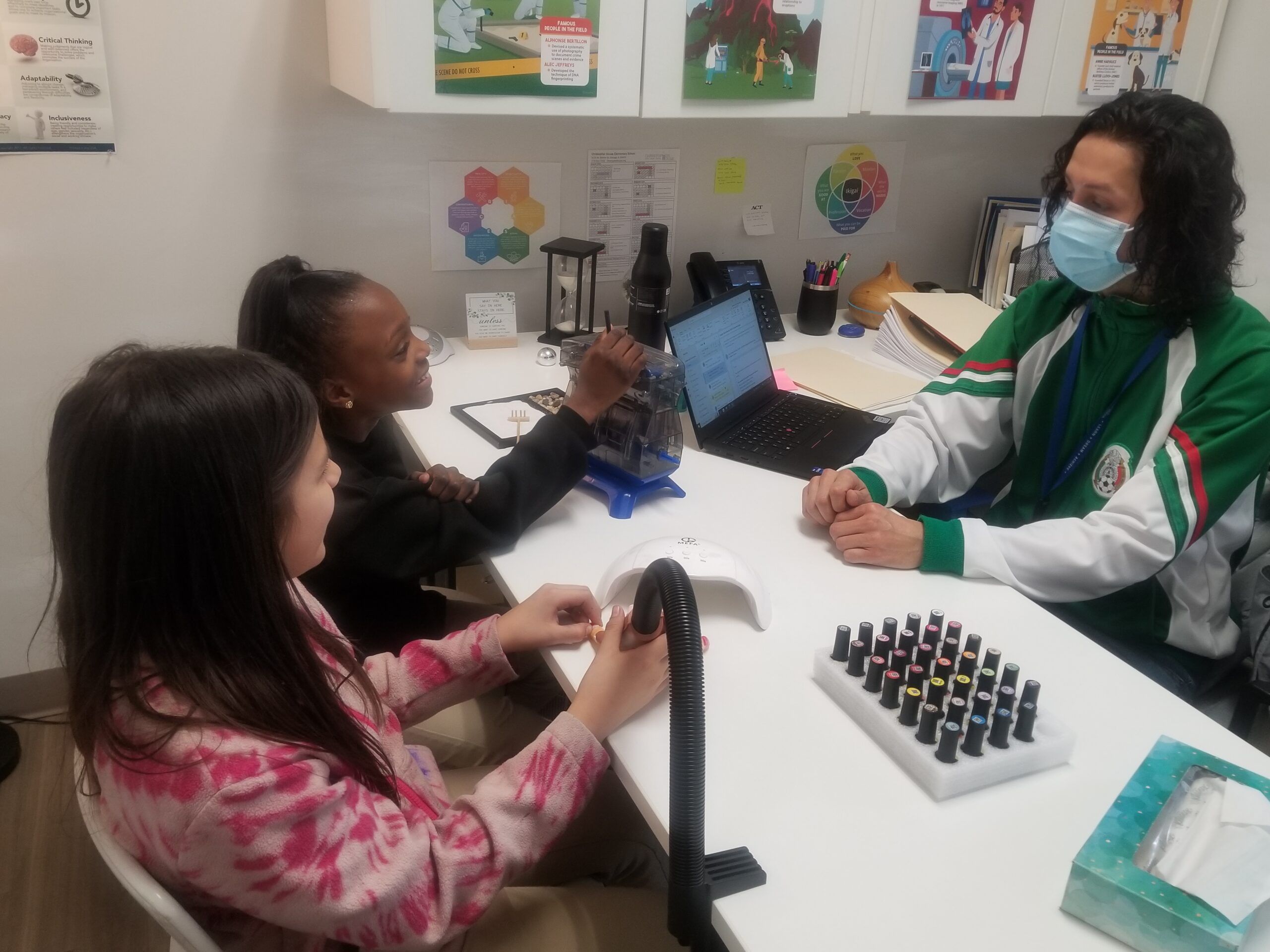
Joining the Christopher House community at the start of the 20230-2024 school year, Jose dove in with two feet, assisting scholars in academic improvement plans, consulting 8th graders on which high schools might best fit their life interests, and offering counsel on obstacles faced by Elementary School-aged students today. Through his ongoing work, his passion for helping children and his dedication to our local community has shown through every step of the way.

In honor of PRIDE month, we sat down with Jose to discuss the importance of identity, love, and acceptance for Elementary School scholars, and how he works to support this in his unique role. He had these words to share:

Q. In your own words, can you explain the significance of PRIDE month?

PRIDE month is important for us to know and celebrate because of the important gains and hardships that people in the LGBTQIA+ community have been through historically and are still experiencing. PRIDE month also gives individuals a time and place to come together and connect through a shared identity and move forward together.”

Q. Why is PRIDE month, and by extension, the celebration of diverse forms of love and identity, important for Elementary and Middle School scholars?

PRIDE month is important for scholars because the elementary and middle school years are so formative in their creation of their identities. Schools have a responsibility to provide awareness, knowledge, and resources to community members so youth and their families know that their thoughts and feelings are universal. At Christopher House, our goal is for everyone to feel welcome, accepted, and celebrated as important members of the Christopher House community.”

Q. What impact can educators, social workers, and leaders have on students and the community when it comes to PRIDE?

We can impact the community in meaningful ways. During the middle school years, youth are going through significant physical, cognitive, and social changes so it makes sense that they and their families would have all sorts of questions about their identities. It is important for adults to provide students with healthy environments where they feel safe and included. If someone does not feel welcome, they most likely won’t feel safe or valued either. They won’t be able to maximize their learning and they might adopt maladaptive social/emotional coping strategies. One way to ensure scholars feel seen and welcome is by posting visuals such as a PRIDE flag or pictures and facts about historical figures in the LGBTQIA+ Movement.”

Q. In your role, how do you work to spread love and acceptance within the Christopher House community?

As a school counselor, I aim to be a positive force at Christopher House by being available to students, families and colleagues. I do my best to spread wellbeing by providing educational resources on potential options for the future, recognizing student/staff accomplishments, and helping others who might not be feeling like their best, authentic selves. My hope for educational institutions is that they continue to be pillars of the community and places that innovate learning. We need to continue to keep pace with shifting societal trends and student/family needs, while staying true to our mission of educating the whole child/family.”
Christopher House Elementary School Family Advocates: Our Role and Our Heritage

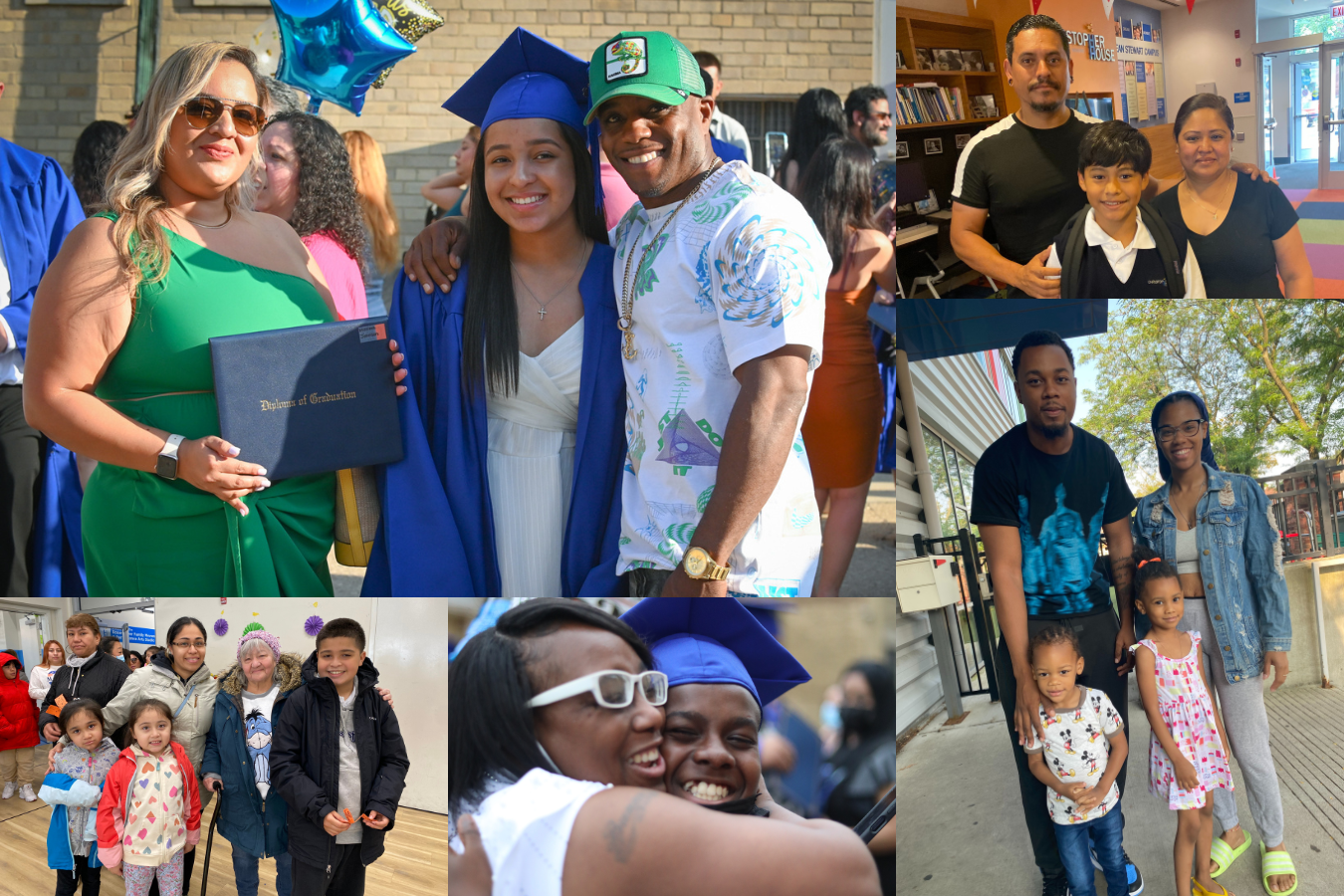
Christopher House is built on a two-generation model that meets the needs of our scholars and families, both in and outside of the classroom. This vital work extends across all three of our campuses – Belmont Cragin, Uptown, and Logan Square – and at Christopher House Elementary School (CHES), it would not be possible without the dedication, compassion, and expertise of Family Advocates Diana Villalba and Lesly Lopez.

Joining Christopher House at the height of the pandemic in 2021, both Diana and Lesly were immediately drawn to the empathetic and holistic support offered to the families of our scholars. With Diana’s degree in Psychology and Child Advocacy Studies, and Leslie’s in Human Services and Psychology, both were eager to find the right opportunity that would allow them to have an impact on the lives of their community members. Both Family Advocates have a deep and personal feelings that pulled them toward Christopher House and t they knew that they had found a place they were excited to call home.

We had the opportunity to sit down with Diana and Lesly to learn more about their roles as Family Advocates at Christopher House Elementary School and how their culture, language, and traditions are essential to their work.

What is a CHES Family Advocate?

Lesly Lopez: As Family Advocates, we help families feel safe and comfortable so that they can be open with us and trust us to help get whatever assistance they need. We build relationships with the parents and caregivers of our scholars and help connect them with any additional resources that they might need – we help with everything from obtaining financial assistance and applying for SNAP, to acquiring Ventra cards and accessing immigration-related resources.

Diana Villalba: Our goal is to create and maintain stability within the home. Many of our families have experienced racial trauma and encounter barriers daily. We do whatever we can to respond to their needs and find resources that will help, whether that is inside our walls or within the surrounding community. We also act as a bridge between families and our teaching staff. If parents need assistance communicating with their child’s teacher, or if a teacher notices a student in need of additional support, they reach out to us, and we help facilitate connections and conversations.

Why is our two-generation model important for our scholars and their families?

Diana: My family is from Mexico, and we lived in Los Angeles before moving to Chicago. As a child, I watched my family struggle. My dad worked a lot and when my mom wasn’t working part-time, she was with us. She spoke Spanish, and she had a really hard time communicating with teachers or administration when she came to the school. Seeing and experiencing this for myself has helped me understand what our families are experiencing.

Lesly: I can relate to that a lot… I’m also Mexican and Latina, and my family struggled financially when I was young. We didn’t have any additional support outside of the family, and my mom also only spoke Spanish. She would do her best to advocate for me and my siblings, but because of the language barrier, she often felt unheard. Being in the role that I am now, I am very passionate about what I do because I get to offer the help and support that I wish my family had when I was growing up.

How does your identity and culture support you in this role?

Diana: We can’t support families unless they feel comfortable to be open and honest about their needs. Whatever we can do to facilitate trust between us and the parents and caregivers, we do! We primarily serve Hispanic and Latinx families here at CHES, and when families hear me speak Spanish, it automatically removes one more barrier for them. It makes it easier for them to trust me and open up without any added pressure. I just let families know that a safe space for communication exists whenever they want or need to use it.

Lesly: I agree! When parents come in and see that you are able to speak their language, it creates a sort of immediate natural connection. We can understand their lived experiences on a personal level and can relate to what they are going through. During the pandemic, some families feared that their concerns and needs were not going to be heard. But when we joined the team, we were able to quickly form strong connections and alleviate their stress by letting them know that we see them, we hear them, and we are here to help them – always.

Why is it important to celebrate the identities of our staff, scholars, families, and community members?

Lesly: In my culture, family values are deeply ingrained in everything we do. If someone is hurting, we all are, and if someone is celebrating a win, we all celebrate with them. You don’t want to lose the values of where you come from, no matter what they may be. For our students and families, it’s important they see that when they walk in the school, their traditions and identities don’t stop at the door. We do our best to bring that part of home into the classroom and celebrate it for its importance and beauty. 

Diana: For my family of five, we try to get together at least once a month and reconnect over good food, music, and dancing, but honestly, no matter how much time has passed, it’s like we were never apart. I’m also a first-generation college graduate and a proud Mexican. The two are connected! My background has helped me connect with and support families in my current role, and I think it’s really important for my nieces and nephews – and our scholars and families – to see that and to know that there are educational and career pathways for them too. Truly anything is possible.

Christopher House
5235 W. Belden Ave.
Chicago, IL 60639